Our Research

How does immunity to COVID-19 change over time?
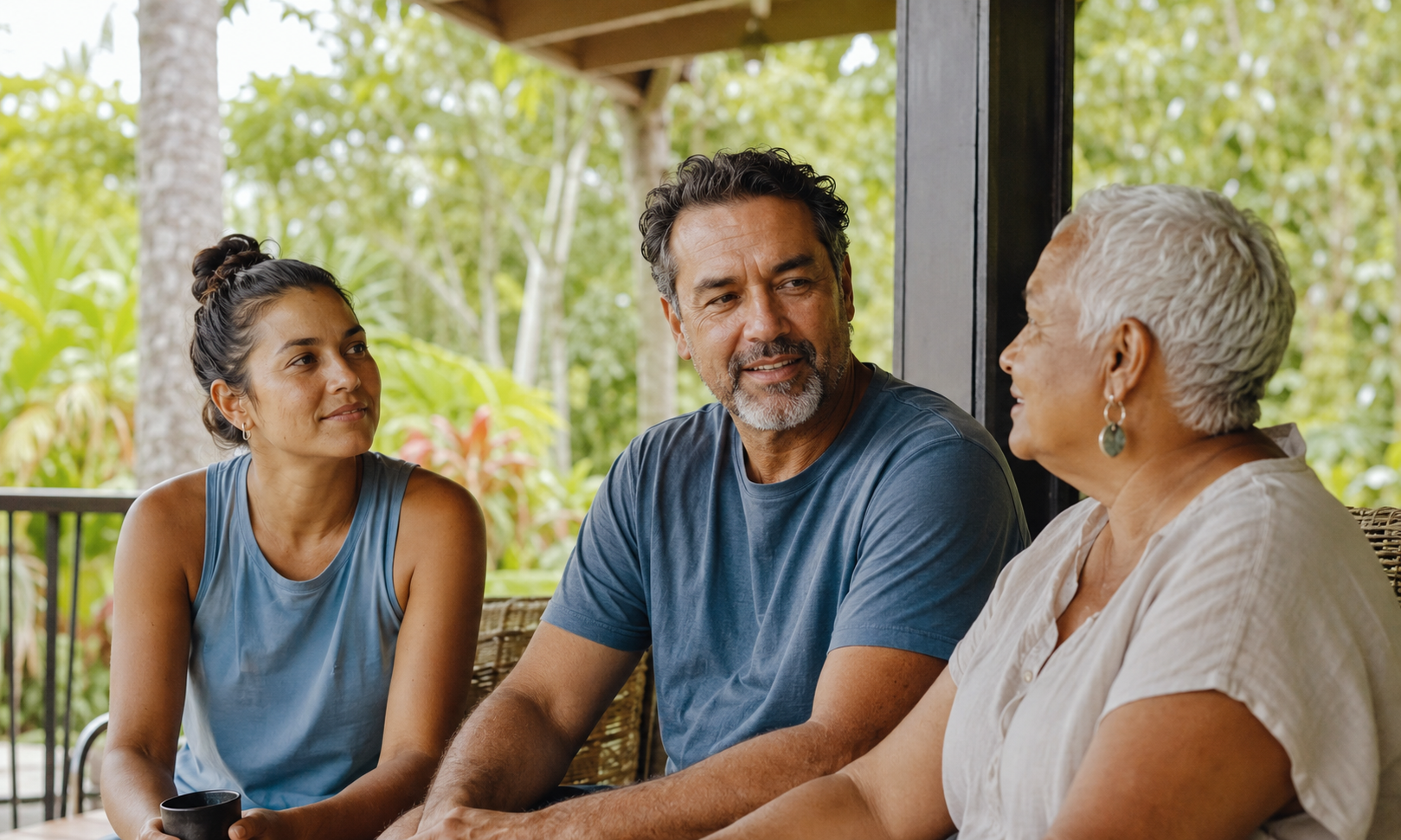
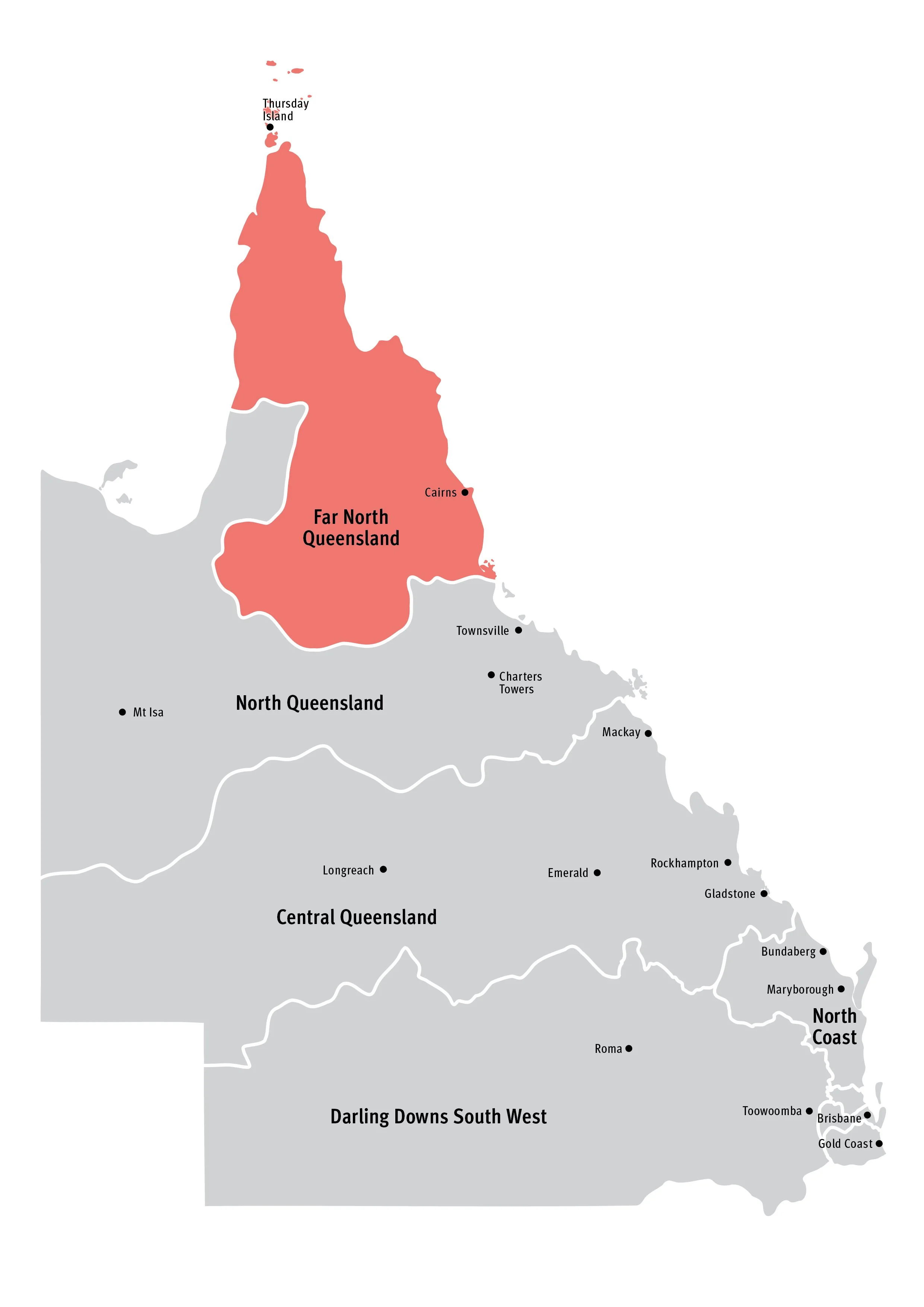
The TropCOVID Project is a Far North Queensland research study investigating how immunity to COVID-19 changes over time in adults living in our region.
COVID-19 immunity is not the same for everyone. It can be shaped by vaccination, previous infection, age, health, and the natural decline of immune responses over time. By following volunteers across 12 months, TropCOVID aims to better understand the immune landscape of Far North Queensland.
The TropCOVID Project’s study plan is outlined below:
We are inviting adults aged 18 years and over who live in Far North Queensland to take part.
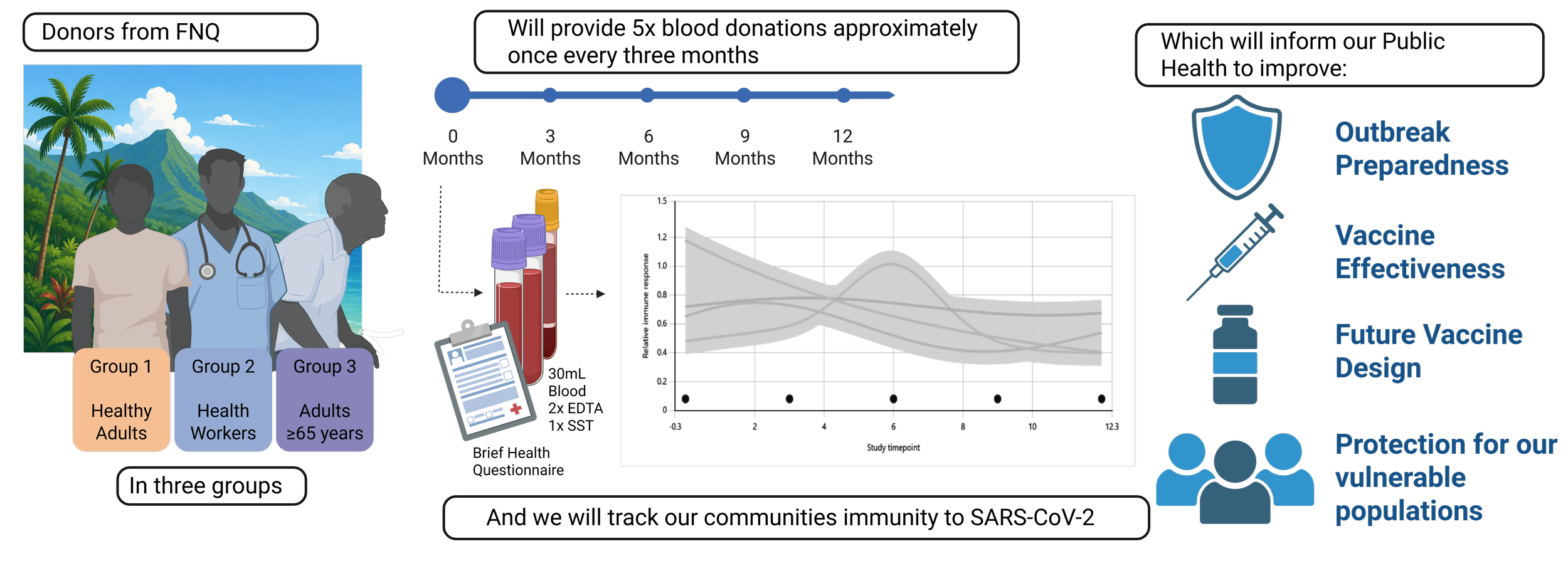
Participants will be recruited from the general community. After recruitment, participants’ data will be examined across the following groups:
Healthy adults aged 18–64 years
Adults working in clinical or patient-facing healthcare roles
Older adults aged 65 years and over
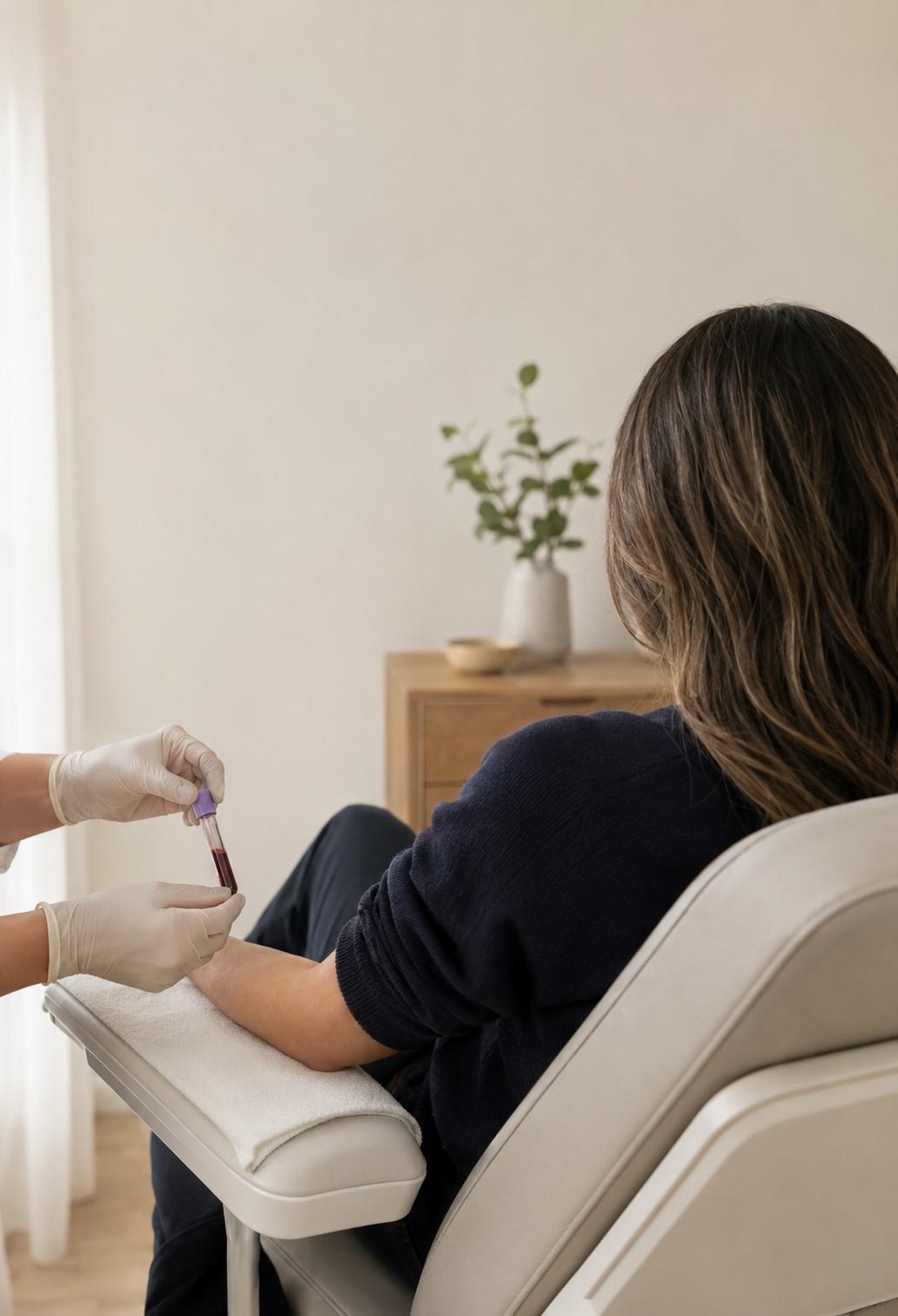
Participants will be invited to provide up to five small blood donations over 12 months, approximately once every three months. Each donation is approximately 30 mL (three 10 mL tubes), and participants will complete a brief health and vaccination questionnaire at each visit.
Using these samples and questionnaire information, the research team will measure your antibody and T-cell responses to examine how these responses change over time, including in relation to vaccination, previous infection, and age.
By building a regional picture of COVID-19 immunity, The TropCOVID Project aims to support future research and public-health planning in Far North Queensland, including preparedness for respiratory-virus outbreaks and research into vaccination and protection of vulnerable communities.
Looking beyond antibodies
When people think about immunity, they often think about antibodies. Antibodies are important because they can recognise a virus and help prevent infection.
However, immunity also depends on specialised immune cells called T cells. These cells can recognise infected cells and help coordinate the body’s response to infection.
TropCOVID measures both antibody and T-cell responses to provide a more complete picture of how the body responds to COVID-19.
Following immunity over a year
Participants donate a small blood sample approximately every three months over 12 months and complete a brief health and vaccination questionnaire.
This allows the research team to examine how immune responses change within the same person over time. We will explore whether responses remain stable, decline, or vary following vaccination, infection, or other changes in health.
The study includes adults from several groups within the Far North Queensland community, including healthy adults, adults aged over 65 years, and people who work in healthcare settings.
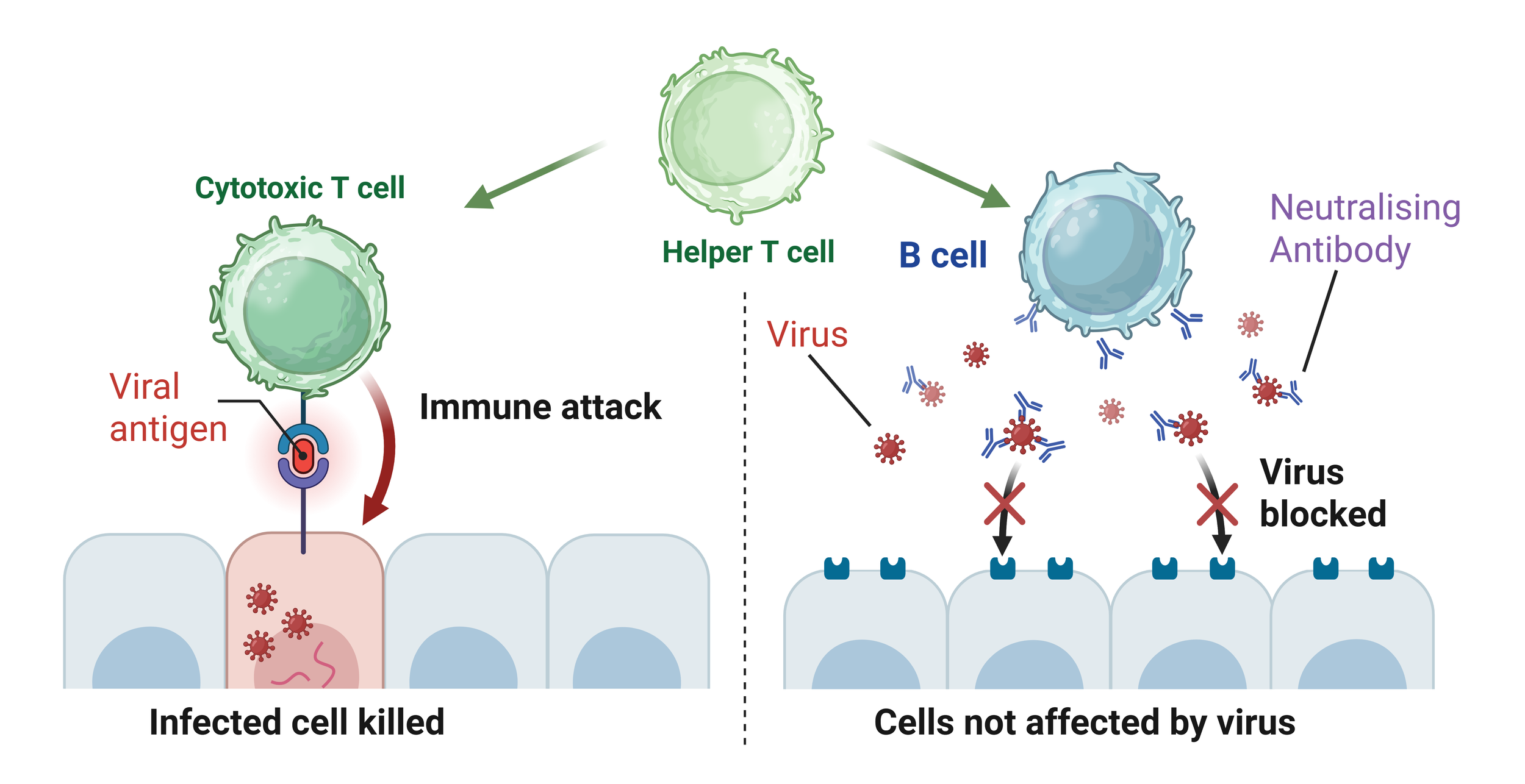
B cells and T cells work together to help protect us from SARS-CoV-2. B cells produce antibodies that bind to the virus and can help prevent it from entering our cells. If any virus gets past these antibodies and infects a cell, cytotoxic T cells can recognise and destroy the infected cell, helping to limit further spread. Helper T cells act as coordinators of this response, supporting both B cells and cytotoxic T cells to work effectively together.
Building a regional picture of immunity
The TropCOVID Project will create the first detailed, long-term pictures of COVID-19 immunity in Far North Queensland.
The findings may help guide future research into vaccination, emerging variants, and how communities can be better prepared for respiratory-virus outbreaks. The study will also strengthen local capacity for immunology research and support the development of future infectious-disease research in the tropics.
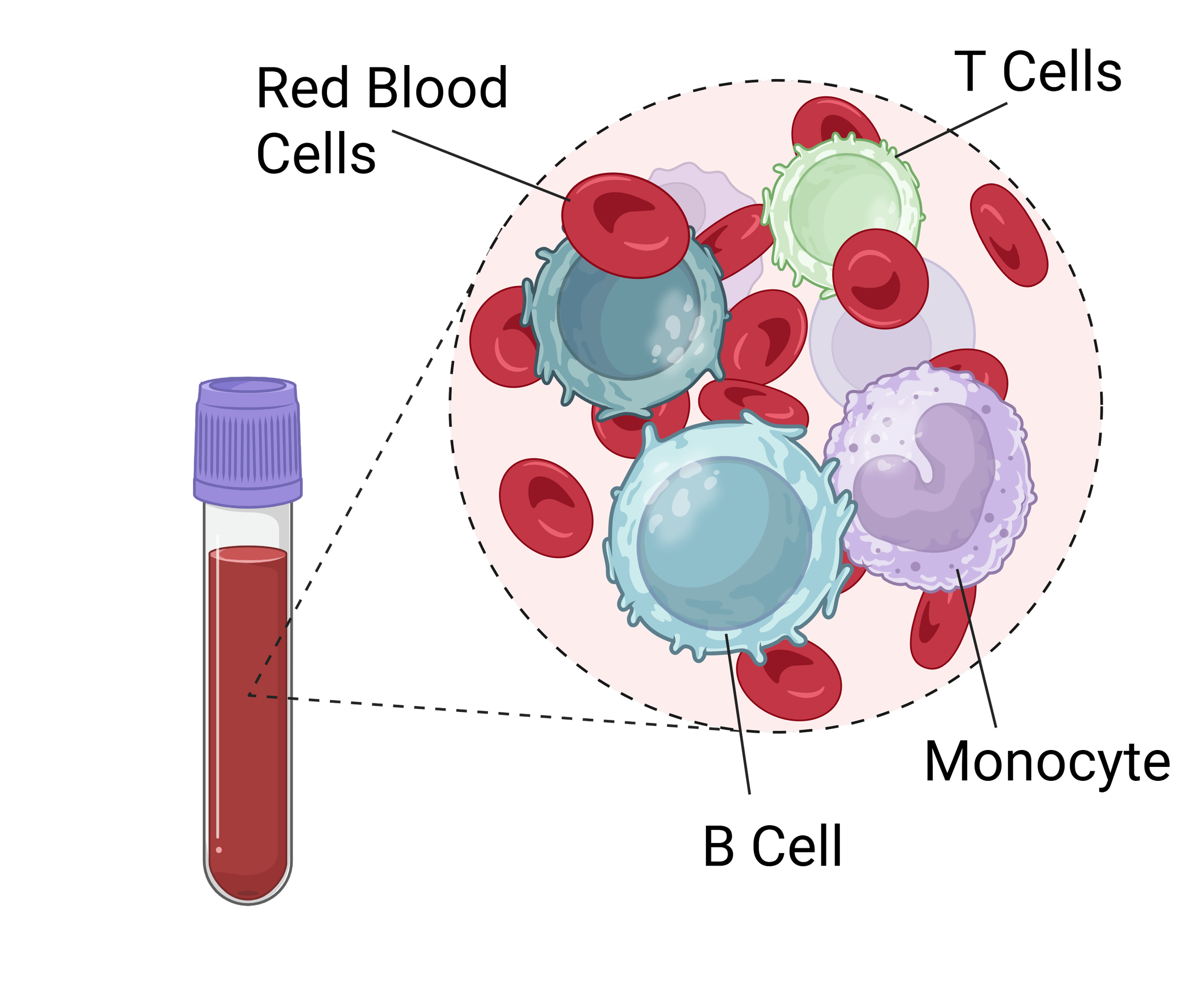
Your blood contains many different cells, including red blood cells, B cells, T cells and monocytes. By studying these cells, we can learn more about how the immune system responds to COVID-19.